
Phase II is now closed. Results will be announced in March.

2026 Tools Competition

Accelerating K-12
Learning

Phase II is now closed. Results will be announced in March.

traingle logo

Learn About the Track

Track Description

Tools that accelerate K–12 learning by advancing rigorous, relevant instruction designed to be inclusive and accessible by all learners. This track seeks solutions that drive measurable improvements in learning outcomes and strengthen instructional practice to prepare every student for future success. As educators and systems respond to growing demand for more personalized and responsive approaches, this track welcomes tools that deepen engagement, provide timely support, and enhance the experience of both learners and teachers.

Whether supporting students in diverse learning environments, guiding school- or system-level decisions, or connecting learning to real-world pathways, proposed solutions should help educators meet the needs of today’s learners and build the foundation for future opportunity, with particular attention to usability, accessibility, and inclusion.

Competitors may propose solutions that, for example:

This track also welcomes proposals that explore frontier AI approaches that push the boundaries of what is possible in K–12 learning. Examples include large reasoning models capable of multi-step problem solving, multi-agent systems that can coordinate complex learning tasks, or generative methods that enable dynamic content creation and adaptive instruction. Proposals advancing to Phase II will be asked to clearly articulate safeguarding strategies (read more here), evidence plans, and pathways for responsible deployment to ensure innovation translates into meaningful, safe, and equitable learning outcomes.

All competitive proposals should demonstrate a commitment to learning engineering practices—using data to drive timely and effective interventions—and to accessibility by design approaches, applying research insights on factors affecting outcomes for diverse student populations and learning conditions.

Target User/Audience

Tools should target K-12 learners, educators, or parents and families as the primary user group.

Who should submit?

Competitors worldwide are invited to submit (see the official rules for any restrictions). We welcome proposals from teams or individuals from all backgrounds, including ed tech companies, researchers/universities, educators, or students (undergraduate or graduate).

Competitive Priority: Accessibility-First Tools

A subset of prizes will be reserved for tools that make accessibility for students with learning differences and disabilities a primary design focus and/or explicitly use prize funding to strengthen accessibility. This priority supports tools that advance the field by intentionally improving learning experiences and outcomes for students with learning differences. 

Accessibility-first refers to intentional design choices that go beyond compliance and baseline accessibility features, and actively reduce barriers for students with learning differences and disabilities. This may include embedding Universal Design for Learning principles, adaptive or multimodal interfaces, integrations with assistive technologies, and infrastructure that scales accessibility across contexts. Read more here.

Competitive Priority: AI-Enabled Science Curiosity

A subset of prizes will prioritize AI-enabled tools that put youth-driven inquiry at the center of science learning. These tools should cultivate curiosity and problem-solving by helping users to explore authentic questions and investigations, and use evidence to guide their reasoning. Tools do not need to be designed only, or even primarily, for use in schools. Rather, we are interested in surfacing tools that support science curiosity and problem solving in the breadth of contexts where youth spend time.


AI can play a pivotal role by prompting productive questions, supporting pattern seeking, encouraging ongoing reflection and sense-making, facilitating experiments, guiding data collection and analysis, and delivering timely feedback. This will foster not only conceptual understanding, but also lasting curiosity, interests, persistence through challenges, and confidence to try new ideas or approaches.


Proposals that stand out will invite student exploration while guiding them toward core science practices and scientific sense-making, ensuring that students build strong investigative and analytical skills. We particularly encourage approaches that broaden participation in science learning by engaging diverse learners in science-rich contexts, ensuring curiosity-driven learning is accessible to all.

Examples

While the Tools Competition has different tracks and priorities from year to year, the past winning tools below are examples of what could be competitive.

Meet the Judges

Tools Competition judges play a critical role in selecting Tools Competition Winners and bring expertise spanning philanthropy, research, industry, and education. Judges will hear virtual pitches from finalists in Phase III of the competition.

Ahmad Jawad Asghar

Edtech and AI Lead
Gates Foundation - Global Education Team

Dennis Bartels

Managing Director
Endless

Guilherme Cintra

Innovation and Technology Director
Lemann Foundation

Janet Coffey

Program Director, Science
Moore Foundation
Angela DeBarger

Program Co-Lead, Catalyst Fund
Renaissance Philanthropy
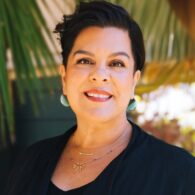
Raquel Donoso

Program Lead, Education
Skyline Foundation

Jennie Dougherty

Consultant
KIPP Public Schools Northern California
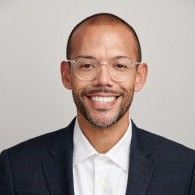
Josh Elder

Vice President & Head of Grantmaking
Siegel Family Endowment

Nicholas Gage

Research Director, Special Education Policy and Practice
WestEd

Yesenia Gallardo Avila

Managing Director
Lemnis

Kumar Garg

President
Renaissance Philanthropy

Satrajit Ghosh

Senior Research Scientist
Massachusetts Institute of Technology
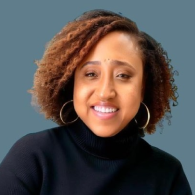
Barbara Glover

Programme Officer: APET
AUDA-NEPAD

Todd Grindal

President
SRI Education

Beatriz Guillén

Executive Director
The Resource Foundation
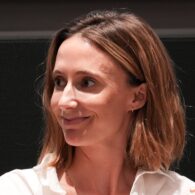
Libby Hills

CEO & Senior Adviser
EdTechnical & Jacobs Foundation

Laurence Holt

Entrepreneur In Residence
XQ Institute

Kevin Johnstun

Program Officer, Education Program
Walton Family Foundation
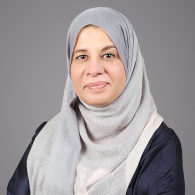
Asyia Kazmi, OBE

Chief Executive Officer
World Innovation Summit for Education (WISE)
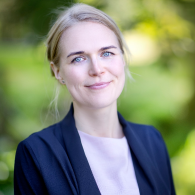
Natalia Ingebretsen Kucirkova

Professor and CEO
University of Stavanger and WiKIT

Josh Lotstein

Senior Director, Grantmaking
Overdeck Family Foundation

Katie McCarthy

Associate Professor
Georgia State University
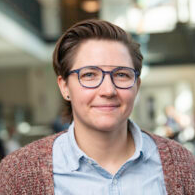
Caitlin Mills

Assistant Professor
University of Minnesota

Samantha Musgrave

Director of Development Partnerships
Digital Harbor Foundation

Elizabeth Nash

Senior Associate
Annie E. Casey Foundation

Karen Parker

Senior Program Manager
Google.org

Bryan Richardson

Senior Program Officer
Bill & Melinda Gates Foundation
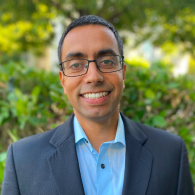
Sameer Sampat

Edtech Scout
Prevail Fund

Joe Shook

Sr. Program Officer
Charles and Helen Schwab Foundation

Erin Stark

Partner
NewSchools Venture Fund

Rob Thompson

Program Officer
Oak Foundation

Luiza Toledo

Executive Director
Telles Foundation

Denise Treacy Weidel

Educator
Danvers Public Schools

Shashanka Lakshmipathy

Program Design and Organizational Development
Consultant

Michele Leardo

Program Officer
Walton Family Foundation
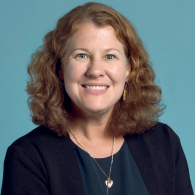
Heather Graham

Director, Learning Differences
Oak Foundation

Jani Moliis

Strategy Manager
JBJ Foundation

Annie Porter Clark

Program Manager, South Africa
Michael & Susan Dell Foundation
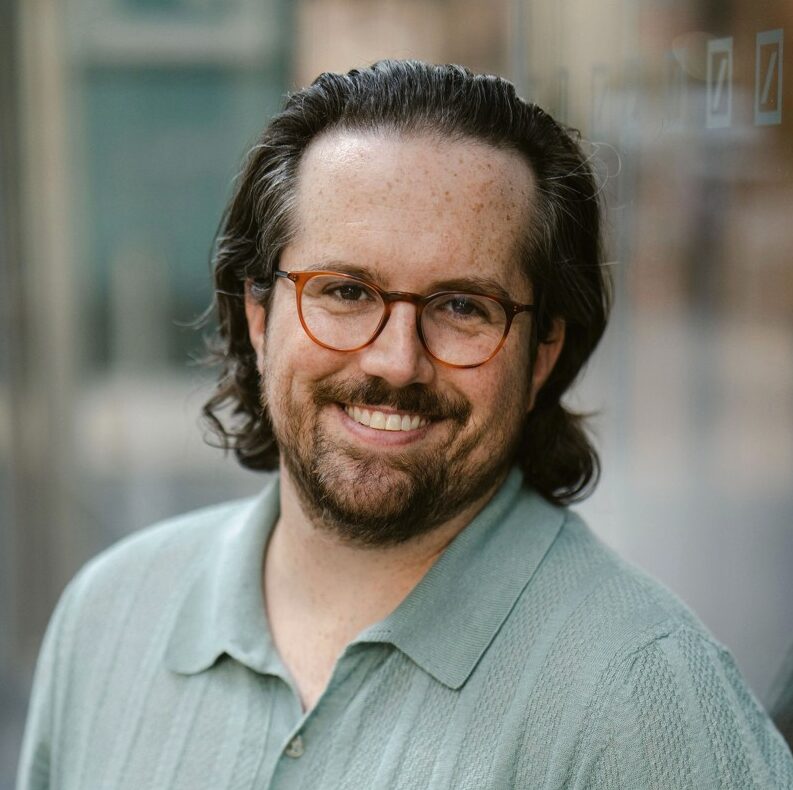
Micah Joselow

Portfolio Manager, Education
One8 Foundation

Pete Lavorini

Portfolio Manager, Innovative Schools
Overdeck Family Foundation

Bryan Richardson

Senior Program Officer
Bill & Melinda Gates Foundation

Mathias Rigbolt

Director, Strategy Lead – The LEGO Foundation
The LEGO Foundation
Lucas Rocha

Director, Education
Lemann Foundation
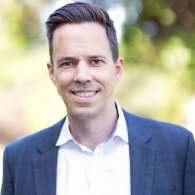
Dan Meyer

VP of User Growth
Amplify

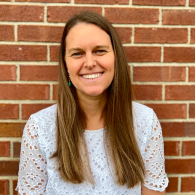
Katie McCarthy

Associate Professor
Georgia State University
Liz McCreary

Chief Impact Officer
Digital Harbor Foundation
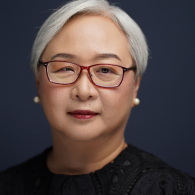
Maria Mercedes Rodrigo

Professor
Ateneo de Manila University

Bo Thomsen

Head of Educational Impact
LEGO Education
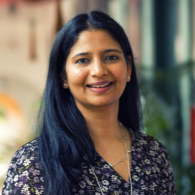
Raman Sidhu

CEO
Octava Foundation

Compete in this Track

Select your prize level

When submitting a proposal, competitors must select the relevant prize level based on the size and scale of their tool. Proposals at all prize levels should detail how the proposed tool will solve a defined problem, rather than focus on past achievements.

catalyst

Catalyst Level Prizes: $50,000

For early-stage ideas and tools that show strong potential but are not yet widely adopted.

growth

Growth Level Prizes: $150,000

For tools with traction that are ready to expand their reach.

transform

Transform Level Prizes : $300,000

For established platforms with more than 10,000 users that are poised to drive large-scale change.

traingle logo

Proposals will be evaluated for the following criteria


1

Novelty of the tool
and technology


2

Potential impact and likelihood to
improve learning


3

Attention to equity to support learning of historically marginalized populations


4

Demand from learners, families, and educators


5

Ability to support
learning engineering


6

Ability to scale to additional users and/or domains

left-bottom-vector
traingle logo

What is a Tool?

The Tools Competition funds ed tech tools and technologies that support learning outcomes and can contribute to learning science research.

Eligible tools have the potential to generate novel learning data that researchers can study to better understand learning at scale. This may include an app, software, algorithm, dataset, or other digital technology that facilitates or supports continuous data collection and has the potential to scale at minimal cost.

Please note that this definition is not exhaustive. As technology continues to develop and innovations are created globally, other tool concepts may also be competitive.

Not sure your tool is eligible? Explore winning tools from previous years.

Timeline

Timeline

September 8, 2025
Competition Launch
October 15, 2025
Deadline for Phase I Abstracts

Competitors submit an abstract describing the concept for their tool.

November 20, 2025
Select competitors invited to Phase II
January 21, 2026
Deadline for Phase II Proposals

Competitors develop a proposal and budget detailing their tool, its methodology, and evaluation metrics.

March 2026
Finalists invited to Phase III pitches
April 2026
Phase III Pitches (virtual)

Finalists pitch before a panel of expert judges.

Late April 2026
Winners Notified
June 2026
Public Announcement

Winners are announced and receive the first installment of their prize. 

Year Following the Competition - Winner Impact Study

Winners track impact metrics in the year following their prize and receive guidance to set up internal evaluation processes.

Fall 2026
Product Review Day

Winners present on their progress to date and receive feedback from other winners and leaders in the field. 

traingle logo

Explore a Different Track

Building Pathways to Postsecondary Success

Tools that advance postsecondary learning and workforce development outcomes, expanding pathways to meaningful careers.


Datasets for Education Innovation

This track supports the creation and release of open, high-quality datasets that advance education research, fuel responsible AI development, and reduce barriers to innovation.

Edtech and AI Lead

Gates Foundation – Global Education Team

With over 15 years of driving impact in global education, I specialize in leveraging technology to transform learning outcomes in underserved communities. Starting my career as a teacher, I combined my expertise in computer engineering and statistics to lead large-scale education programs across South Asia and Sub Saharan Africa.


I have designed and scaled edtech solutions that enhance teaching and learning in low-resource settings, collaborating with governments, global organizations, and leading philanthropies to implement sustainable, high-impact initiatives. My focus is on using innovative technologies to address the most pressing challenges in education and bridge equity gaps for learners worldwide.

Managing Director

Endless

Dennis M. Bartels is an internationally known science education and policy expert. Since 2017, he has served as Managing Director of Endless Network, a constellation of enterprises and partnerships lead by Matt Dalio aimed to provide digital access, participation, and agency for youth, including the use of video games for learning.


From 2006 until January 2016, Dennis was Executive Director of the Exploratorium, a world-renowned public learning laboratory exploring the world through science, art, and human perception located in San Francisco, California. During his tenure there, he led a historic capital project and a $345 million capital campaign to relocate the Exploratorium to Piers 15/17 on San Francisco’s famed waterfront. He holds a PhD in Education Administration and Policy Analysis from Stanford University and BA degree from the University of North Carolina at Chapel Hill. His work has received more than $28 million in grants from the National Science Foundation (NSF) and other sources.


In his personal time, Dennis follows his interests in education, informal learning, science research and policy, oceans, and museums. He is also an avid Burner and a regular at Burning Man, where he nourishes his passion for participatory art. In 2017, he joined the Board of Directors of the Burning Man Project and in 2019 was elected as Chair, the first non-founder to hold that position.

Innovation and Technology Director

Lemann Foundation

Guilherme Cintra is the Innovation and Technology Director at the Lemann Foundation. He holds a degree in Economics from PUC-RJ and began working in education at the age of 18, teaching mathematics to young people from communities near his university. He fell in love with the field and, after interning at other investment funds, joined Gera, which at the time was fully focused on education. He would later become a partner at the fund. Following the creation of Eleva Educação, he took on the role of director of one of the group’s schools. Subsequently, he managed a network of Eleva schools. He was a co-founder and strategy leader of Pátio, Eleva Educação’s New Business unit (currently Grupo Salta). He also worked as the Coordinator of Innovation and Technology at the Municipal Department of Education in Rio de Janeiro, where he led the creation of the Experimental Technology Gyms, the Carioca Math Olympics, and the development of software for monitoring attendance, teacher allocation, and infrastructure management, in addition to initiatives to increase school connectivity in the city. Today, he seeks to scale educational quality across different states and municipalities in Brazil through the use of technology.

Program Director, Science

Moore Foundation

Janet Coffey has spent her professional career in science education, with longstanding interest in science learning and public engagement in science.


Janet’s work at the Moore Foundation spans both the science and San Francisco Bay Area programs. She leads the foundation’s Curiosity-Driven Science Initiative, a multi-year effort that seeks to engage youth and community members in meaningful science experiences to strengthen interest in, appreciation for, and understanding of science. She also oversees the informal science education portfolio in the San Francisco Bay Area Program. She has been involved in cross-foundation working groups, and helped launch the Moore Inventor Fellows, an effort that provides support to early career scientist- and engineer-inventors.


Before joining the foundation, Janet was on the faculty at the University of Maryland, College Park. Her research sat at the intersection of learning and assessment, and spanned study of younger children to college student including in- and out-of-school contexts. She began her career in education at the National Academy of Sciences’ National Research Council before teaching and coaching middle school in Washington, D.C.


Janet received her undergraduate degree in human biology from Stanford University, where she also earned a doctorate in science education.

Program Co-Lead, Catalyst Fund

Renaissance Philanthropy

Angela DeBarger is Program Co-Lead of the Catalyst Fund for Science Education, where she advances her commitment to high quality science education as a public good. Throughout her career, she has built programs and led research to improve student learning in STEM.


Most recently, Angela served as Acting Program Director and Program Officer at the William and Flora Hewlett Foundation. She directed strategy and grantmaking to provide students with ambitious and meaningful learning through open educational resources, ensuring every student has the information they need to learn and agency in shaping their learning.


As Senior Program Officer at the George Lucas Educational Foundation, Angela led project-based learning programs with practitioners and researchers, demonstrating improved outcomes for elementary, middle, and high school students and teachers. Prior to that, Angela directed research initiatives at SRI International focused on classroom assessment strategies to enhance student engagement in science.


Angela holds a Ph.D. in educational psychology from Stanford University, where she also earned her B.A. in psychology, and an M.A. in psychology from the University of Michigan.

Program Lead, Education

Skyline Foundation

Raquel is committed to driving resources to the people and communities making a positive difference in the world, especially within climate, democracy, education, and birth justice. With lived experience as a young, single mom raising a multiracial son, Raquel knows firsthand both the promise and underperformance of systems that are in desperate need of change.


As Program Lead for Equity in Education, Raquel works with the board and team to invest in people, places, and strategies that are working for a more equitable education system. Her grantmaking focuses on increasing school funding, supporting teacher quality, and improving postsecondary opportunities for students with the greatest need.


Raquel has a Master of Public Health and a Bachelor of Arts from UCLA and a Doctorate in Education from UC Davis. Previously, she was the Director of Mission Promise Neighborhood in San Francisco, CEO of the Latino Community Foundation, and Associate Director of the Latino Issues Forum. Raquel serves on the boards of EdLoC, Western Center on Law and Poverty and Latinx KidLit Book Festival. She is part of a Latina writers collective called Las Musas, and she published a children’s book, Viva’s Voice, in 2022.

Consultant

KIPP Public Schools Northern California

Jennie Dougherty is a nationally recognized leader at the intersection of instructional excellence, technology, and equity. At KIPP Northern California, she leading one of the most ambitious and human-centered AI strategies in U.S. public education—prioritizing educator agency, student belonging, and systems-level change. Under her leadership, KIPP NorCal has secured over $750K in philanthropic investment to pilot and scale AI-native tools that actually work for classrooms, not just in theory, but in practice.

Jennie is a co-founder of the AI Trailblazers network—a national community of forward-thinking K–12 leaders representing over 190,000 students—focused on translating AI hype into sustainable, equity-driven implementation. Her work has been featured by EdSurge, Education Week, and the ASU+GSV Summit, where she was named a 2025 Women Leader in AI. Jennie brings a decade of experience turning good ideas into great systems—most recently designing the Catalyst Model to scale AI tools through teacher leadership, emotional readiness, and classroom invention.

Her latest insights are shared publicly on her blog: www.betaclassroom.com

Vice President & Head of Grantmaking

Siegel Family Endowment

Joshua Elder is the Vice President & Head of Grantmaking at Siegel Family Endowment, which explores the impact of technology on society across learning, infrastructure, and workforce. Joshua oversees strategic investments and partnerships across each of SFE’s portfolio areas. Prior to SFE, Joshua was Director of Strategic Initiatives at CSforALL, one of SFE’s partner organizations, where he led strategic efforts to help build the capacity of school districts and other education agencies to provide computer science education to all students. Prior to that, Joshua spent 10+ years in domestic and international education with a focus on science education, instructional leadership, and pedagogy. Joshua is a co-founder of a network of low-cost private schools operating in South Africa and Kenya. Joshua has a Master’s in Public Affairs from Columbia University’s School of International and Public Affairs, an M.Ed. from Virginia Commonwealth University, and a BS from Longwood University.

Nicholas A. Gage

Research Director, Special Education Policy and Practice

WestEd

Nicholas A. Gage is a national expert focused on advancing rigorous research and evaluation in learner variability and special education. Gage’s research interests are centered on the identification of policies and practices at the national, state, local, and classroom levels to support the academic, social, and behavioral needs of students with disabilities. This work is grounded in a multi-tiered systems of support (MTSS) framework, with a particular emphasis on positive behavior interventions and supports (PBIS). His expertise is in supporting researchers, schools, districts, and states in leveraging their data resources to best identify and develop effective and efficient systems of support for students’ academic and behavioral needs. Specific expertise includes statistical modeling, machine learning, research design and methodology, direct observation, single-subject research, MTSS, universal behavioral management, PBIS, Functional Behavioral Assessment, and evaluation of special education programs and practices.


Gage has more than 120 peer-reviewed publications in many of the top-tier special education journals and more than 250 conference presentations. He serves on 10 editorial boards and has served as Associate Editor of Exceptional Children, the Elementary School Journal, Preventing School Failure, and the Journal of Disability Policy Studies. He has received federal grants from the Institute of Education Sciences (IES), the Office of Elementary and Secondary Education, and the Office of Special Education Programs and has served as lead evaluator or statistician on numerous randomized controlled trials. He currently leads eight Education Innovation Research (EIR) projects, including as project director for the evaluation of an Expansion Phase project and project director for an Early Phase project.


Prior to joining WestEd, he was Associate Professor of Special Education at the University of Florida, where he taught special education and research methods courses, and an Institutes of Education Science Postdoctoral Fellow at the University of Connecticut. Gage has over 20 years of experience in the education and special education fields as a teacher, education leader, and researcher.

Managing Director

Lemnis

Yesenia Gallardo Avila is the Managing Director of the Alliance at Lemnis, a public charity focused on expanding learning for all. She is a mission-centered investor with a track-record of backing exceptional managers, founders, and leaders building solutions to improve the lives of learners. As an entrepreneur herself, Yesenia is an ecosystem builder with deep domain expertise in education, future-of-work, and adjacent sectors.

President
Renaissance Philanthropy

Kumar has helped to shape the science and tech landscape for almost two decades. Working with Eric Schmidt, he helped design and launch moonshot initiatives in education, provided early support to game-changing ideas and pioneers, and built ongoing multi-donor and multi-sector collaboratives.


Prior to that, he helped set budget and policy priorities for the Obama Administration as part of the White House Office of Science and Technology Policy, and drove progress on topics ranging from education and workforce issues, biotechnology, entrepreneurship, space, advanced manufacturing, broadband, nanotechnology, behavioral sciences, digital media, incentive prizes, and broader innovation policy.


In particular, he led the Obama Administration’s efforts to bolster science, technology, engineering and math (STEM) education, including development of major budget and policy initiatives in the State of the Union to train 100,000 excellent STEM teachers and bring computer science to all K-12 students, development of the Educate to Innovate campaign with over $1 billion in in-kind and philanthropic investment, and creation of iconic events such as the White House Science Fair.


Prior to his time in government, Kumar worked on behalf of parents and children seeking educational reform as an education lawyer and advocate. Kumar received a B.A. from Dartmouth College and a law degree from Yale Law School.

Satrajit Ghosh

Senior Research Scientist

Massachusetts Institute of Technology

Satrajit Ghosh is a Senior Research Scientist at MIT’s McGovern Institute for Brain Research and an Assistant Professor at Harvard Medical School (Otolaryngology – Head and Neck Surgery). A computer scientist and computational neuroscientist, he leads the Senseable Intelligence Group (https://sensein.group), focusing on spoken communication, brain imaging, and informatics. His research addresses the neural basis and translation of spoken communication, machine learning for precision psychiatry and medicine, and reproducible research. He is a PI on several NIH BRAIN Initiative projects (BICAN knowledgebase, DANDI, BBQS Data Coordination and Artificial Intelligence Center) and advocates for open, collaborative science.

Programme Officer: APET

AUDA-NEPAD

Barbara Glover is a dedicated advocate for science, technology, and innovation in Africa. With a background in innovation and emerging technologies and extensive experience in research and policy, Dr. Glover currently serves as the Programme Manager of the African Union High-Level Panel on Emerging Technologies at the African Union Development Agency-NEPAD (AUDA-NEPAD). In this role, she works towards harnessing scientific advancements for the sustainable development of the continent. Dr. Glover’s passion lies in promoting collaborative efforts that leverage technology for positive impact across diverse sectors.

Her current work builds upon experiences working since 2016 at AUDA-NEPAD in aiding African countries identify, harness and implement ‎emerging technologies for Africa’s socioeconomic developement. In this role, she supports conducting research and analyzing data on topical issues such as AI, conducting evidence-based analysis of STI, drafting policy recommendations and guidelines for deploying emerging technologies, and contributing to the development and implementation of capacity building programs in science, technology, and innovation for building a culture of innovation among the youth.

President

SRI Education

Todd Grindal, EdD, is the President of SRI Education, where he leads one of the nation’s largest independent education research organizations working at the intersection of innovation, rigorous evaluation, and scaling what works. From 2021–2025, he taught at the Harvard Graduate School of Education, where he focused on helping future educators translate research evidence into classroom practice. A former classroom teacher and school leader, he has led large-scale federally funded research and evaluation efforts and worked with public agencies, philanthropies, and venture-backed companies to ensure educational innovations are scientifically rigorous and built to scale.

Executive Director

The Resource Foundation

Beatriz Guillén serves as the Executive Director of The Resource Foundation, a New York City-based organization that channels philanthropic investments from U.S. corporations, foundations, and high-net-worth individuals to impactful organizations across Latin America and the Caribbean. Previously, she led the launch of the Master of Public Administration in Global Leadership at Columbia University’s School of International and Public Affairs, a graduate program designed for senior leaders in global policy. Earlier in her career, Beatriz spent a decade at CAF – Development Bank of Latin America and the Caribbean, where she co-founded the Social Innovation Office. She is a 92Y Women in Power Fellow, a BMW Foundation Responsible Leader, and a board member of three nonprofit organizations: Alliance for Peacebuilding, Alterna and MENTEE.

CEO & Senior Adviser

EdTechnical & Jacobs Foundation

Libby is CEO of EdTechnical and advises investors, foundations, and England’s Department for Education on AI and evidence in education. A former teacher turned edtech investor, she has 15+ years spanning both sides of the table: building and scaling education organisations and funding them. EdTechnical leads research and early-stage investing to find and back what actually works in education. Libby has published on AI and education in leading academic journals and holds degrees from the University of Oxford, London School of Economics and King’s College London.

Entrepreneur In Residence

XQ Institute

Laurence Holt is a Senior Advisor at XQ Institute. He was previously Chief Product Officer of Amplify and Wireless Generation where he oversaw the creation of the company’s education technology products, now used by millions of K-12 students and teachers.


Prior to that, Laurence founded Quidnunc, a business and technology consulting firm with clients such as Apple Computer, Sprint, the BBC, and Goldman Sachs. Quidnunc grew to 300 people with offices in London, New York, and San Francisco and won the prestigious Economist Knowledge Culture Award for Europe.


More recently, Laurence followed a long-time interest in knowledge acquisition and learning processes by founding Stikky, a publisher of research-driven instructional books on topics ranging from analyzing stock charts to tree identification. Laurence has written three award- winning books.


Previously a bond trader with Credit Suisse First Boston, Laurence also created “multi-user calendar” software, which was later sold to Microsoft and was integrated into Microsoft Outlook.


Laurence holds a First Class BSc (Eng) Hons in Computing Science from Imperial College London and a Masters in Neuroscience and Education from Columbia University.

Program Officer

Walton Family Foundation

Kevin is a program officer for Walton Family Foundation’s Education Program. The Foundation’s Education Program supports all children in finding their unique path to a life of opportunity and purpose. Before joining the Foundation, he worked at the U.S. Department of Education, where he advised leaders across government on strategies for leveraging educational technology, especially AI, to improve student outcomes. He previously worked on staff supporting the President’s Council of Advisors for Science and Technology at the White House. He began his career in education as a 7th and 8th grade English teacher in Oklahoma City. He holds a B.A. in Philosophy and a masters in Instructional Psychology and Technology from Brigham Young University.

Chief Executive Officer

World Innovation Summit for Education (WISE)

Dr. Asyia brings over 30 years of experience in education across government, philanthropy, and international development, with a distinguished track record of improving learning outcomes for underserved communities. Before joining Qatar Foundation, she served as the Global Education Policy Lead at the Bill & Melinda Gates Foundation, where she helped create a global edtech and AI portfolio that positively impacted 2.5 million children.


She began her career as a mathematics teacher and teacher coach before moving into leadership roles in the public and private sectors. At PwC, she led the UK government’s $1 billion Girls’ Education Challenge, supporting 1.5 million girls across 17 countries. She has also served in senior roles across three UK Government departments, including as Senior Education Adviser at DFID, Project Director at the Department for Education, and Her Majesty’s Senior Inspector at Ofsted.


Dr. Asyia holds a Master’s in Applied Mathematics from Imperial College London, a Doctorate in Education from University College London, and two PGCEs in mathematics teaching and leadership development. She was awarded an OBE in the Queen’s 2022 New Year’s Honours List for her contributions to girls’ education.

Professor and CEO

University of Stavanger and WiKIT

Natalia I. Kucirkova is Professor of Early Childhood Education and Development at the University of Stavanger, Norway and Professor of Reading and Children’s Development at The Open University, UK. Natalia’s work is concerned with social justice in children’s literacy and use of technologies. Her research takes place collaboratively across academia, commercial and third sectors. She advocates for greater Equality, Diversity and Inclusion across academia and society. She is the co-founder and current CEO of the university spin-out WiKIT, AS, which integrates science with the children’s EdTech industry.

Josh Lotstein

Senior Director, Grantmaking

Overdeck Family Foundation

Josh Lotstein, Senior Director, Grantmaking, at Overdeck Family Foundation oversees all grantmaking efforts across the Foundation’s four core portfolio areas.


He previously served as the head of strategy and planning for Transcend Education, a national nonprofit dedicated to helping schools reimagine their learning environments, and as Chief Operating Officer of Summit Public Schools, a network of innovative, high-performing charter schools in California and Washington. Prior to Summit, he led growth strategy and development initiatives at Teach for America and worked as a strategy consultant at The Monitor Group. He began his career as a classroom teacher in New York City public schools.


Josh earned his B.A. from Yale University, M.B.A. from The Wharton School at the University of Pennsylvania, and M.A. in Educational Leadership from The Broad Center.

Associate Professor

Georgia State University

Kathryn S. McCarthy is an Associate Professor of Educational Psychology in the Department of Learning Sciences at Georgia State University. Her research explores the higher-order processes involved in learning from content-rich text with emphasis on how these processes vary across disciplines and across learners. She is interested in how we can use technology to study and support learning and how educational technology can be leveraged to make learning more effective and equitable.

Caitlin Mills

Assistant Professor
University of Minnesota
Caitlin Mills has a PhD in Cognitive Psychology, and her research focuses on constructs related to mind wandering and engagement during learning and in everyday life contexts. She aims to characterize when mind wandering occurs, how it influences learning, and ways to automatically detect it in real-time. Other research interests include the influence of mind wandering in ubiquitous tasks such as driving and how it relates to functional aspects of our lives such as affect, mental health, boredom, and creativity.

Samantha Musgrave

Director of Development Partnerships

Digital Harbor Foundation

Sam Musgrave is the Director of Development Partnerships at the Digital Harbor Foundation, where she supports a portfolio of fiscally sponsored projects working at the intersection of digital equity, K–12 education, civic technology, and climate resilience. Sam brings nearly 20 years of experience in the nonprofit sector, including more than a decade working in child welfare, where she focused on supporting families impacted by the foster care system, advancing permanency pathways for youth aging out of care, and recruiting family resources to improve outcomes for children. She holds a BA in Linguistics from the University of Maryland, Baltimore County, and enjoys spending time with her three children outside of work.

Senior Associate

Annie E. Casey Foundation

At the Annie E. Casey Foundation, Elizabeth leads the foundation’s portfolio around strengthening public data. She is also responsible for advising on AI and other emerging technologies as they relate to child and family wellbeing. Prior to joining the Foundation, Elizabeth spent 16+ years in leadership at PolicyMap, a data and mapping benefit corp, where she designed and implemented the strategic vision, priorities, operations, and data development roadmap as the Chief Data Officer.

Senior Program Manager

Google.org

Karen Parker is a Program Manager with Google.org where she helps advance innovation in technical solutions to transform teaching and learning. Prior to her work in Google.org Karen built products and programs that advanced the professional practice of k-12 Computer Science teachers. Before Google, Karen served as Director of Disaster Services for the American Red Cross in Silicon Valley, managing emergency response operations, volunteer training, and ensuring community readiness. Karen earned her Bachelor’s degree in Sociology from John Carroll University and completed advanced project management studies at Stanford University.

Senior Program Officer

Bill & Melinda Gates Foundation

Bryan Richardson is a Senior Program Officer at the Bill and Melinda Gates Foundation where he leads investments for the K-12 Education R&D focused on education technology and increasing the availability of data critical to R&D, analytics, and personalization. Previously, Bryan co-founded UPD Consulting, a management and technology consulting firm focused on organizational reform in K-12 Education across the US. From 2004-2007, Bryan served as the Director of SchoolStat for the Baltimore City Public School System and from 2001-2003 served on the US Senate Committee on the Environment and Public Works. Bryan is a native of Oklahoma, received a B.A. in International Studies from Emory University and a Master of Public Policy from the Harvard Kennedy School.

Edtech Scout

Prevail Fund

Sameer was previously the co-founder of Global School Leaders and founding ED for Pousaz Philanthropies. He is current responsible for developing the ed-tech strategy for the Prevail Fund, a pooled philanthropic fund focused on improving foundational learning in Africa and South Asia.

Sr. Program Officer

Charles and Helen Schwab Foundation

Joe Shook is a Senior Program Officer for the Charles and Helen Schwab Foundation, focusing on the K-12 education grants portfolio. Joe started his career in the classroom as a Teach For America corps member, serving students throughout the Bay Area as a Special Education and General Education Teacher for nearly a decade. Prior to joining CHSF, Joe also served as an adjunct professor, coach, learning experience designer, and educational consultant.

Partner

NewSchools Venture Fund

Erin Stark, a Partner at NewSchools, leads investments to benefit the 1 in 5 students with learning differences. Her passion for inclusion was inspired by her sister’s disabilities and grew and evolved throughout a 20-year career as a high school special educator in New York City. In her current role, Erin merges her personal and professional expertise to create learning opportunities that have deepened the organization’s proficiency in serving students with learning differences. Erin plays a crucial role in selecting leaders with innovative ideas to support students with learning differences, coordinating with investment teams across the organization and a community board that advises on areas of need and grantmaking.


Before NewSchools, Erin was the Director of Student Support at New Visions for Public Schools, where she led initiatives to improve support for students with disabilities, multilingual learners and developing readers in high school. Her achievements include designing web-based tools, developing professional development series, and managing grants worth $2.5M aimed at enhancing student support. Erin holds certifications as a School Building Leader, in English Language Arts, special education, and literacy intervention.


Erin lives in New Jersey with her wife and daughter and prioritizes spending quality time with her family. She deeply cherishes the values of family, inclusion, and the transformative power of truly equitable and inclusive education.

Program Officer

Oak Foundation

Rob Thompson is a program officer at Oak Foundation, where he manages a portfolio of grants to improve outcomes for children with learning differences. Prior to joining Oak, Rob worked as Director of Early Childhood at the Blue Cross NC Foundation. Before starting in philanthropy, Rob held multiple positions at NC Child, a North Carolina-based child advocacy organization that advocates for public policies that improve the lives of children and families.

Rob holds a bachelor’s degree from Tulane University in New Orleans, LA. He lives in Durham, NC with his wife, son, and two poodles. He enjoys cycling, backpacking, and anything else that involves moving outside.

Strategy and Grantmaking Director

Telles Foundation

Luiza Toledo is a leader in the education and social impact sectors. With a solid academic foundation, she holds a degree in Psychology from Presbyterian University Mackenzie and a Master’s in Administration from Dom Cabral Foundation.


Throughout her career, Luiza has been at the forefront of initiatives that bridge education, technology, and employability, fostering innovation and social transformation. She previously held leadership roles in HR Institutions for 10 years, before working with education.


As the Executive Director of Telles Foundation, Luiza leads the organization’s mission to design and implement innovative educational programs, creating pathways for young talent to thrive in STEM careers.

Educator

Danvers Public Schools

Denise is an experienced elementary math and special educator passionate about making education accessible and effective for all learners. Throughout her career, she has held various roles in schools and education non-profit organizations, allowing her to make a broad impact in the field of education.


Outside of the classroom, Denise has worked as a curriculum developer, designing innovative materials to enhance student learning, led professional development for educators, empowering them with strategies to improve instruction, and partnered with districts to support their implementation of educational technology tools to enrich learning opportunities for students. She currently works in a school district supporting K-5 students with their math learning.

Program Design and Organizational Development

Consultant

Shashank believes in inspiring lifelong learning, helping individuals persevere through challenges with resilience. He values belief, acceptance, and the importance of practice and reflection for continuous growth.


Over the past decade, he has worked with several non-profit and for-profit organizations focused on learning and education, including Teach For India, The Akanksha Foundation, Reap Benefit, Make a Difference, Open House, Hewlett Packard, Generation, and Kizazi. He has brought program design and organizational development to life by turning visions into actionable strategies, creating pathways to outcomes, and designing impactful learning journeys for diverse teams.


He is passionate about music and movement art forms, and is constantly exploring ways to integrate these into his work to foster holistic growth and well-being.

Program Officer

Walton Family Foundation

Michele is a program officer for the Education Program. The Foundation’s Education Program supports all children in finding their unique path to a life of opportunity and purpose.


Before joining the foundation, Michele was the assistant director of the Institute for Education and Social Policy at New York University, where she conducted research on the contextual factors and ecosystem enablers that support educational success. She began her career as an elementary school teacher.


Michele holds a B.A. in education and human development from Boston College and an M.A. in education policy from George Washington University and a bachelor’s degree.

Director, Learning Differences
Oak Foundation

Heather Graham is Program Director at the Oak Foundation for its Learning Differences Program. Oak Foundation commits its resources to address issues of global, social and environmental concern. The Learning Differences Program is committed to building a world in which schools unlock the creativity and power of every young person and equip them to shape more just and equitable communities. The program partners with not-for-profit organizations that improve education for all students, particularly those who are furthest from opportunity. Previously, Heather served as a Principal with Education First and a Program Officer with the Bill & Melinda Gates Foundation.


In those roles she provided strategic and business planning, operations and governance support to education non-profits and developed coalitions with national, regional and global foundations, non-profits and government. Prior to joining the Gates Foundation, Heather served as a Vice President with Teach For America, a White House Fellow with the United States government and a Program Associate with the Annie E. Casey Foundation. Heather spent a year in Chengdu, China as a Henry Luce Scholar and she began her career as a middle school teacher in the South Bronx with Teach For America. Heather earned her master’s degree in Public Affairs from Princeton University and her bachelor’s degree from the University of Wisconsin, Madison. She currently lives in Durham, North Carolina.

Strategy Manager

JBJ Foundation

Jani is an expert in social value creation, with over 15 years of experience in improving the effectiveness and impact of organizations delivering value for citizens. He has worked for top-tier management consulting companies, such as McKinsey & Company, and for public sector organizations at the local, national and international levels. While employed at the Tony Blair Institute for Global Change, he worked for three years as a governance advisor for Rwanda’s Ministry of Finance and Economic Planning and Office of the President. At JBJ Foundation, he oversees the Foundation’s education work in Malawi.


Jani’s hometown is Helsinki, Finland, where he has lived in the same neighborhood all his life, except for his years abroad living on four different continents. He holds a Master of Social Sciences degree from Helsinki University.

Program Manager, South Africa

Michael & Susan Dell Foundation

Annie Porter Clark serves as a Program Manager for the Data Driven Education Portfolio at the Michael & Susan Dell Foundation’s African office. In this role, she focuses on harnessing data to enhance educational practices, aiming to improve learning outcomes and drive efficiency in education delivery. Her work is centered on transforming the lives of children through better educational opportunities.


Prior to joining the Dell Foundation, Annie worked as a consultant at McKinsey & Company. and worked in wide-ranging roles within the social impact sector. This includes roles in impact investing at Edge Growth, and positions at Rippleworks Foundation in California, as well as leadership roles at The Room in Nairobi and the African Management Institute.
Annie holds an MBA from the University of California Berkeley with a specialization in Social Sector Leadership.

Portfolio Manager, Education

One8 Foundation

Micah joined One8 in 2023 as a Portfolio Manager on the Education team. In this role, Micah leads the Foundation’s K-12 STEM and EdTech portfolio.

Prior to joining One8, Micah has focused on impact-driven work across public education and management consulting. Most recently, Micah was a Project Leader at Boston Consulting Group, where he was a member of BCG’s social impact and private equity practices, supporting government clients with strategic challenges as well as leading various due diligences in the education space. After college, Micah taught middle school math through Teach For America in Prince George’s County, Maryland. Micah then served as a school leader as a founding team member at DC Prep, coaching the math department and developing innovative math curriculum for the highest performing network of charter schools in Washington, DC.

Micah received an AB in Public & International Affairs from Princeton University, an MS in Education from Johns Hopkins University, and an MBA from the Kellogg School of Management at Northwestern University.

Portfolio Manager, Innovative Schools

Overdeck Family Foundation

Pete Lavorini leads the Innovative Schools portfolio at Overdeck Family Foundation, which aims to expand access to tech-enabled, student-centered K-9 learning environments. A former 6th grade teacher, Pete has led district-level initiatives for both the New York City Department of Education and Pittsburgh Public Schools and has helped social impact organizations set and operationalize strategy while with The Bridgespan Group.

Director, Strategy Lead – The LEGO Foundation

The LEGO Foundation

Mathias Rigbolt is the Strategy Lead at The LEGO Foundation, reporting to the CEO, with responsibility for strategy formulation, implementation, and review across the Foundation’s programmes in children’s learning and well-being. In this capacity he has recently developed The LEGO Foundation’s first digital strategy, which will steer the Foundation’s funding to help realize the transformative potential of digital technologies for children’s learning and well-being. Prior to this role, Mathias was a Senior Strategy Manager in KIRKBI, which is the Kirk Kristiansen family’s holding and investment company, that aspires to a future where all children have the opportunity to learn through play. Mathias spent the first part of his career in ReD Associates – a strategy consultancy based in the social sciences – where he was a manager in ReD’s social impact practice.

Director, Education

Lemann Foundation

Lucas Rocha leads innovation at the Lemann Foundation. His team is responsible for research and experimentation of new technologies and methodologies that can contribute to a more hands-on, active and collaborative education experience. Lucas has advised the federal and local governments on policies around innovation and technology and has founded a movement in Brazil to promote “code to learning”. His background is in computer engineering and he is a fellow of practice at the MIT Media Lab.

VP of User Growth

Amplify

Dan Meyer taught high school math to students who didn’t like high school math. He has advocated for better math instruction on CNN, Good Morning America, Everyday With Rachel Ray, and TED.com.


After earning his doctorate from Stanford University in math education, Dan joined Desmos to design Desmos Math, a digital math curriculum that emphasizes social connection and mathematical creativity. Dan now works at Amplify, Inc, as the Vice President of User Growth, where he focuses on teacher efficacy and student learning across Amplify’s suite of curriculum and technology products. He lives in Oakland, CA.

Chief Impact Officer

Digital Harbor Foundation

Liz McCreary (she/her) is the Chief Impact Officer at Digital Harbor Foundation. Liz started her career in Baltimore teaching high school social studies to the most incredible students. She then worked for Teach For America’s recruitment team before following her passion for adult education and teacher development to Johns Hopkins University School of Education where she served on the MSEd Program Team until moving abroad to work with Teach For India. Upon returning to the United States, she worked as a Senior Production Manager for the education technology company 2U before reconnecting with change makers in Baltimore and joining the inspiring team at Digital Harbor Foundation. She has a M.A.T. from Johns Hopkins University School of Education and a B.A. from Macalester College.

Professor

Ateneo de Manila University

Maria Mercedes T. Rodrigo is a professor at the Department of Information Systems and Computer Science. She is the head of the Ateneo Laboratory for the Learning Sciences and co0-head of the Ateneo Virtual, Augmented, and Mixed Realty Laboratory. Her research work focuses on artificial intelligence in education, learning analytics, and educational games.


Her current projects include virtual reality games for informal education and the use of LLMs for medical education. She is on the Executive Committee of the Artificial Intelligence Education Society. In 2021, Dr. Rodrigo received the Distinguished Researcher Award from the Asia-Pacific Society for Computers in Education (APSCE) and is President of APSCE.

Head of Educational Impact

LEGO Education

Bo Stjerne Thomsen is the Head of Educational Impact at LEGO Education, where he leads global impact, learning design and content development across international markets. Previously, he served as Vice-President, Chair of Learning through Play, and Global Head of Research at the LEGO Foundation, contributing as an executive leader, global learning expert and shaping the international research and learning agenda.


Bo Stjerne has created innovative education programs for schools, universities, companies and informal learning spaces across more than 30 countries. He has built expert communities, collaborated with leading universities, and advised governments in more than 10 countries, as well as organizations such as the World Economic Forum, OECD, and United Nations.


Known for academic rigor, multidisciplinary collaboration, and fostering innovative partnerships, Bo Stjerne has been a researcher, educator, and advisor at renowned institutions including MIT, Harvard, Cambridge, EPFL, and Tsinghua University.


Trained as an engineer and architect, he has designed educational institutions, performance spaces, and urban neighborhoods on three continents. He has authored over 20 publications on creativity, play, and their role in education, technology, and innovative teaching methods.

CEO

Octava Foundation
Raman is the CEO of Octava Foundation ,where she stewards the foundation’s investment in Education, Technology in Education and Social Innovation. She’s spent over a decade in supporting social purpose organisations, social innovators and philanthropic institutions and individuals be become effective and evidence informed in solving for complex inequity challenges in learning and livelihoods across diverse contexts.

Before joining Octava, Raman was the Executive Director at Lorinet Foundation, a private family foundation focused on early childhood education and youth employability across South East Asia and Mongolia, where she developed Lorinet’s index Early Childhood Education programme for Mongolia.
Raman holds an MBA from the Robert Gordon University, Aberdeen UK and a BA in Commerce and Accounting from Delhi University.