


2027 Tools Competition
Competition Overview
Phase II is now closed. Results will be announced in March.
The 2027 Tools Competition launches at a time when education technology is moving from experimentation with AI toward a deeper focus on what it takes for tools to improve learning, teaching, and opportunity in real-world settings.
Recent research found that 51% of Gen Z use generative AI at least weekly, signaling that AI is quickly becoming something learners will be expected to navigate in school, work, and everyday life. Learners are already using AI to enhance learning and efficiency: 44% report using AI to complete assignments more efficiently, while 38% use it to enhance learning and understanding. Yet access alone does not guarantee impact. As AI becomes increasingly embedded in learning environments, there is an opportunity to focus on solutions that translate its potential into meaningful learning experiences and outcomes.
This is a critical moment to build tools steeped in evidence that people can trust. The next phase of education technology should not be defined by novelty alone, but by whether tools work in real learning environments.
Across its four tracks, the seventh cycle of the Tools Competition will support tools and public infrastructure that:
- Helps students understand where they are in learning and provide timely, actionable support.
- Strengthen educator practice and sustain effective instruction.
- Make learning more learner-driven, engaging, and connected to real-world contexts.
- Help learners navigate transition points with greater clarity, confidence, and connection.
- Build shared resources that make trustworthy innovation easier for the field.
- Embed safety, privacy, and responsibility into tool design and implementation.
The strongest proposals will show not only what AI can enable, but how it can be responsibly used, trusted, and sustained in real learning environments.
Learn more about Phase I support resources for competitors here.

Why Participate?
- Get funding for your innovative ideas.
- Build connections with peers and leaders in the Learning Engineering community.
- Receive advising and feedback to enhance and refine your ideas.
- Gain access to resources and virtual events designed to support tool and proposal development.
- Contribute to learning science research.
How are submissions evaluated?
The Tools Competition has a three-phase selection process that spans approximately eight months. This process is intentionally designed in order to give participants time and feedback to strengthen their proposal.
Phase I: Abstract Screening for Fit
Reviewers evaluate for:
- Alignment to opportunity and track objectives.
- Scalability and impact in multiple contexts.
- Potential to generate data that is valuable for learning science research.
- Overall quality of submission.
Phase II: Proposal Review
Detailed proposals undergo expert evaluation and are scored against a rubric. Rubrics will be published prior to Phase II and include factors such as novelty of the technology in the space, potential for impact, and ability of the tool or dataset to contribute to research.
Phase III: Virtual Pitch
Competition Tracks
This year’s tracks span K–12 and postsecondary learning, as well as high-quality datasets that support future education research and development. Tracks are designed to encourage participants to propose new and innovative solutions that target pressing issues in learning.
Explore the tracks below to decide which is the best fit for your tool or idea.

Strengthening Teaching
Tools that transform teaching in two connected ways: increasing instructional effectiveness and making the teaching profession more sustainable.
Reimagining Assessment
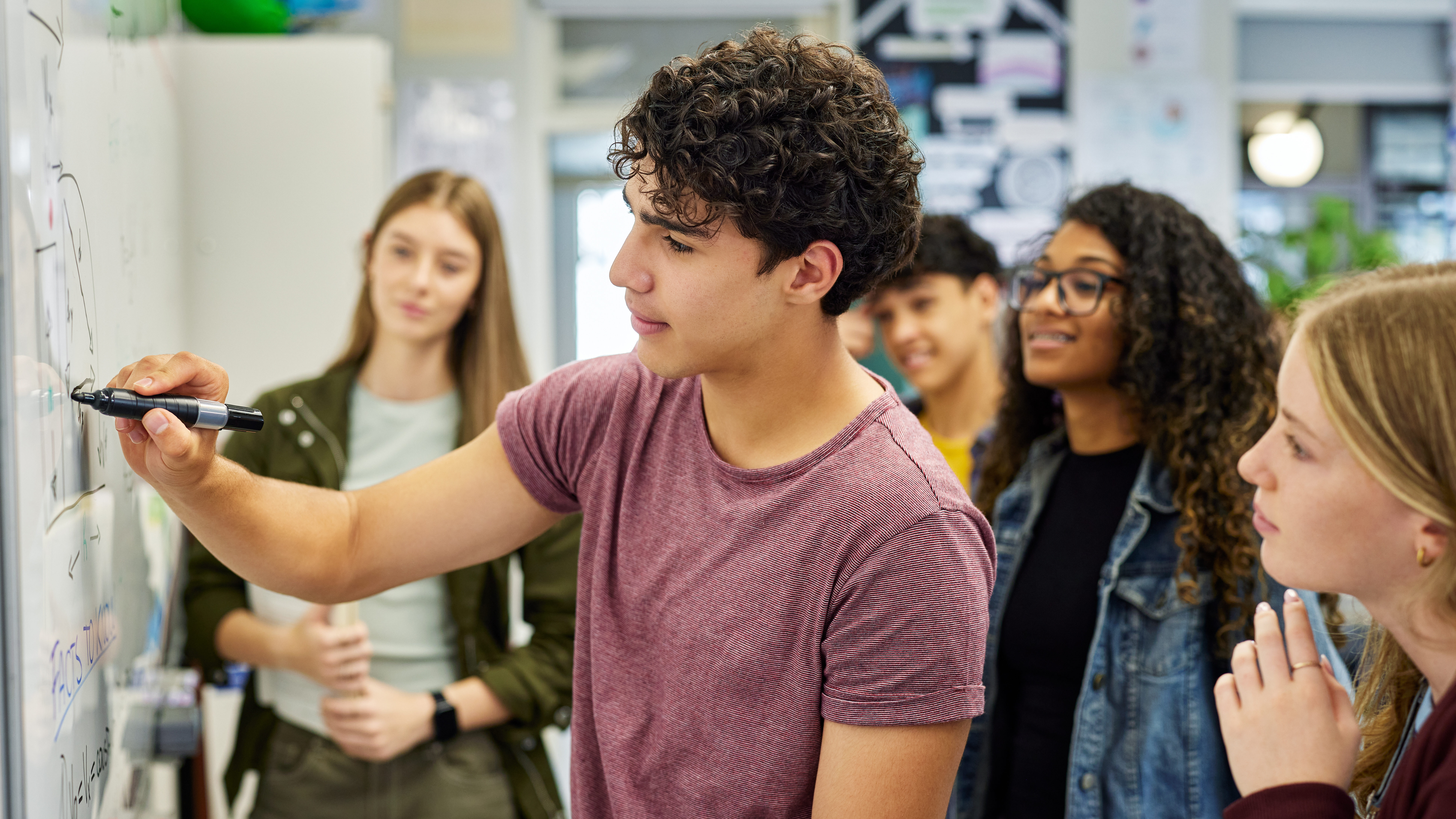
Tools that strengthen K-12 assessment by advancing more continuous, actionable, and inclusive insight into student learning.

Navigating Postsecondary Learning and Work
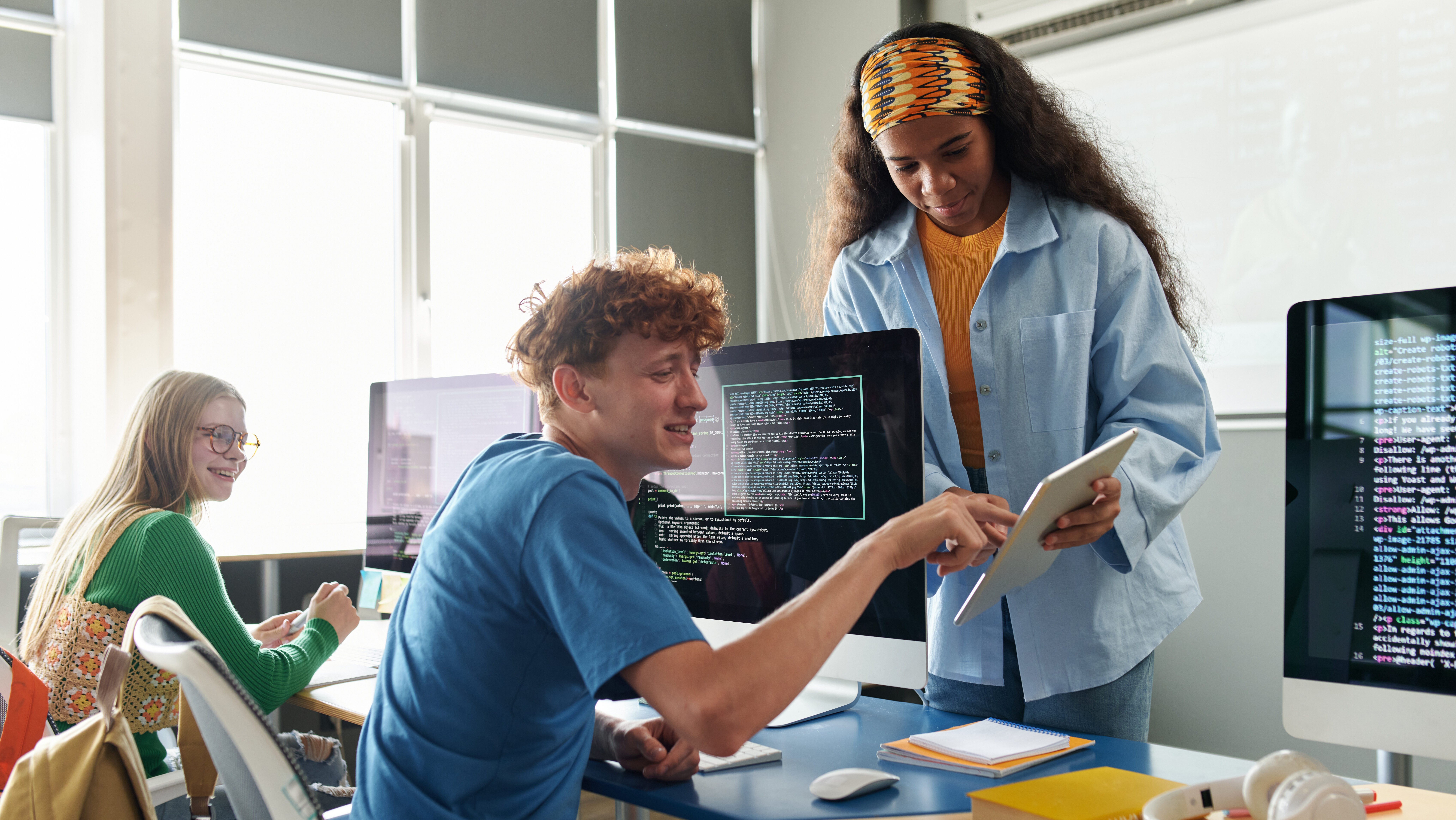
Tools that help learners build the skills, connections, and support to successfully navigate learning and work in an increasingly AI-driven world.
Building Better Datasets
High-quality education datasets that capture the diversity of learners, educational contexts, and learning environments.